


Many pest control companies assume delays come from technician performance, poor routing, or last-minute changes.
Sometimes they do.
But often, the deeper issue is simpler: jobs are scheduled with inaccurate time expectations.
When job durations are underestimated, the entire day starts to bend around bad assumptions. Technicians fall behind. Routes get compressed. Office staff scramble. Customers wait longer than expected.
For growing companies, this is not just a scheduling problem. It is an operations problem.
That is why many owners eventually move from manual planning to pest control business software that helps bring more structure, visibility, and consistency to daily service work.
Pest control work is not always easy to predict.
A recurring quarterly treatment may take one amount of time at one property and twice as long at another. An initial service may uncover conditions that require more inspection, more documentation, or more customer communication than expected.
Job time can change based on:
If the schedule does not account for those variables, the day starts with a built-in problem.
The schedule may look efficient on paper, but the field experience tells a different story.
A 10-minute delay does not usually feel serious at first.
But if that delay happens on the first or second job, it affects every appointment that follows. By the afternoon, the technician may be rushing, skipping breaks, calling the office, or arriving outside the expected window.
This is why job duration accuracy matters. Small gaps become big operational problems fast.
When early jobs take longer than planned, technicians start the day under pressure.
That pressure affects everything that follows. They may have less time to review notes, complete documentation, communicate with customers, or prepare for the next stop.
This can make a good technician look inefficient when the real issue is a schedule that was never realistic.
Once technicians fall behind, routing becomes reactive.
Instead of following a clean, planned route, the team starts making trade-offs. Office staff may move jobs around, squeeze in urgent stops, or ask technicians to adjust on the fly.
At that point, even strong routing adjustments cannot fully correct the schedule. The schedule is already under strain.
For more context on this broader issue, Fieldster’s article on why pest control schedules fall apart as you grow covers how scheduling problems often appear as companies add technicians, recurring services, and daily complexity.
Customers may not see the internal reasons for delays.
They only see that the technician arrived late, seemed rushed, or needed to reschedule. Even when the service quality is strong, inconsistent timing can weaken trust.
That matters because pest control is often relationship-based. Customers want reliable service, not constant timing surprises.
Growth adds more variables.
With one or two technicians, an owner may know how long most jobs should take. They may know which customers need extra time, which properties are tricky, and which services require more documentation.
As the team grows, that informal knowledge gets harder to manage.
Technicians do not all work at the same pace.
A newer technician may need more time to complete inspections, confirm treatment steps, or document service notes. A more experienced technician may move faster but still need extra time on complex jobs.
This does not mean one technician is better or worse. It means the schedule needs enough structure to account for real differences in the field.
Not every pest control appointment should receive the same time block.
Initial services, recurring treatments, termite work, specialty pest jobs, and callbacks may all require different timing. Larger properties may need more inspection time. Customers with ongoing issues may need more explanation.
When every job is scheduled as if it takes the same amount of time, delays become predictable. Tiny scheduling gremlins. Annoying, but not mysterious.
Many companies schedule based on habit.
They know roughly how long a job “should” take, but they do not always have structured historical data to compare planned time against actual time.
Without that visibility, it is hard to know:
That guesswork becomes more expensive as job volume increases.
Inaccurate scheduling does more than create a messy calendar.
Time management challenges are a common issue for growing service businesses, and even small inefficiencies can compound into lost productivity and missed revenue opportunities.
In pest control, those inefficiencies show up quickly in daily operations.
They affect revenue, labor efficiency, customer experience, and team morale.
If jobs take longer than expected, technicians complete fewer appointments.
That can reduce daily capacity without anyone immediately noticing why. The business may feel busy, but the schedule is not producing as much revenue as it could.
Over time, this can limit growth.
When job durations are wrong, office staff spend more time reacting.
They may need to call customers, move appointments, update routes, message technicians, or explain delays. This pulls them away from higher-value work.
A scheduling issue becomes an administrative burden.
Customers are more likely to stay when service feels consistent and dependable.
Late arrivals, rushed visits, and repeated rescheduling can create frustration. Even if the pest control work itself is solid, the overall experience may feel disorganized.
In a recurring service business, that matters.
Spreadsheets, whiteboards, and basic calendars can show what is planned.
They do not always show what is actually happening.
Manual systems usually lack the structure needed to compare scheduled time with real job performance. They also make it harder for office staff and technicians to stay aligned when the day changes.
That is why many growing companies outgrow manual tools. Fieldster’s article on what to look for in pest control scheduling software explains why scheduling tools need to support real pest control workflows, not just basic calendar management.
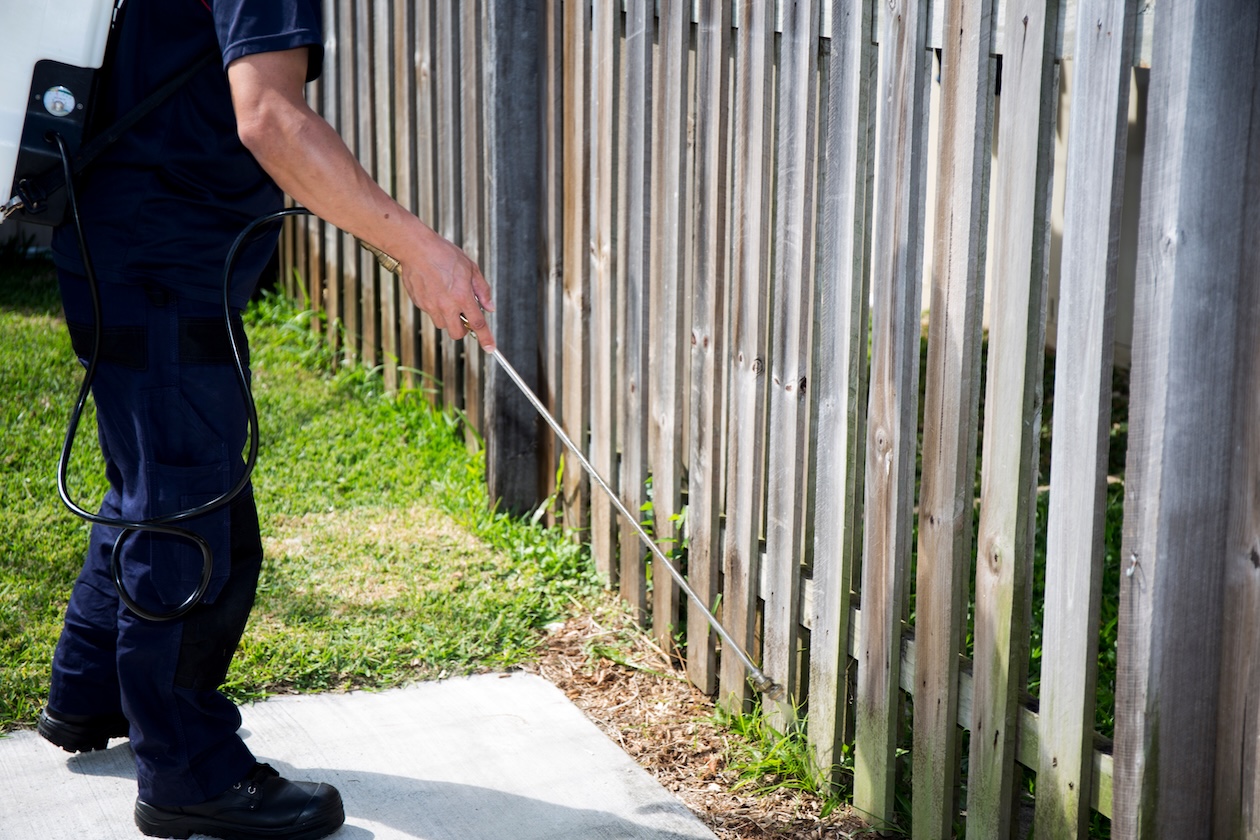
Pest control scheduling software helps companies move from guesswork to more consistent planning.
Instead of relying only on memory, owners and office teams can build schedules around clearer job categories, technician capacity, route structure, and service expectations.
A stronger system helps teams:
This does not mean every job will run perfectly on time. Pest control still happens in the real world, where basements are weird, gates are locked, and customers suddenly remember “one quick question.”
But better structure makes the schedule easier to manage when things change.
Job delays are not always a technician problem.
More often, they come down to a lack of structure in how work is scheduled, tracked, and managed across the day.
When pest control companies rely on rough estimates and disconnected tools, small timing issues turn into daily operational friction. Routes get compressed, office teams spend more time reacting, and technicians are forced to work around a schedule that was never realistic to begin with.
Fieldster helps solve this by giving your team a centralized system built specifically for pest control operations.
With Fieldster, you can:
Instead of guessing how long jobs should take, you can start running your schedule based on how your business actually operates.
The result is a more predictable day, better technician productivity, and a smoother experience for your customers.
If your team is constantly playing catch-up, it is not just a scheduling issue. It is a system issue. And fixing that system is where real operational improvement begins.
Pest control jobs often take longer than scheduled because initial time estimates do not reflect real-world conditions. Property size, pest severity, customer communication, and technician workflow all impact how long a service actually takes. Without structured data from pest control business software, schedules are often based on rough assumptions instead of consistent patterns.
Pest control companies can improve scheduling accuracy by using pest control scheduling software that tracks real job duration data. Instead of relying on guesswork, teams can build schedules based on historical performance, service type, and technician capacity, which leads to more realistic daily routes.
The most effective approach is to use pest control management software that connects scheduling, routing, and technician activity in one system. This allows office teams to adjust schedules in real time while giving technicians clear visibility into their daily workload through a mobile pest control app.
Pest control business software reduces delays by improving visibility across jobs, technicians, and routes. With real-time updates, centralized job information, and optimized scheduling, teams can prevent small timing issues from turning into full-day disruptions.
Yes, scheduling software can increase daily job capacity by improving route efficiency and reducing downtime between appointments. When pest control scheduling is based on accurate job durations, technicians can complete more services without feeling rushed or overloaded.
Manual systems like spreadsheets or whiteboards lack the ability to adapt to real-time changes. As pest control businesses grow, these tools cannot track job duration trends, technician performance, or route efficiency, which leads to ongoing scheduling problems and missed expectations.
Pest control scheduling software should include route optimization, mobile access for technicians, real-time job updates, customer communication tools, and reporting dashboards. These features help pest control companies build more accurate schedules and maintain better control over daily operations.
Poor scheduling leads to late arrivals, rushed services, and inconsistent experiences, which can reduce customer trust. Over time, this affects retention, especially for recurring pest control services where reliability is a key factor in long-term relationships.
Historical data allows pest control companies to understand how long jobs actually take across different service types and technicians. Pest control business management software uses this data to improve future scheduling accuracy and reduce reliance on estimates.
Pest control CRM software helps manage customer information, but it does not always solve scheduling challenges on its own. Companies often need dedicated pest control scheduling software or a full pest control business management software platform to properly manage job timing, routing, and technician workflows.

Features
Pricing
ABout
Site
Features
Pricing
ABout
Site