


Training new field technicians isn’t just a nice-to-have; it’s mission-critical in the pest control business. If you’re managing a team in a seasonal or high-turnover environment, getting new hires up to speed quickly can make the difference between smooth operations and chaotic dispatches.
In this article, you’ll learn how to onboard new pest control techs faster and without sacrificing service quality. We’ll walk through the major challenges, best practices, how software helps, and how Fieldster supports smart onboarding workflows.
In the pest control industry, technician turnover and seasonal peaks are realities. You might be hiring just ahead of spring or summer, or losing techs after a few months and needing replacements fast. Either way, delays in training mean fewer service calls, more mistakes, unhappy customers, and increased stress on your existing team.
Here’s why accelerating onboarding matters:
For companies looking to improve their pest control technician training, building a faster but still robust onboarding process is a strategic win.
Training pest control technicians is harder than desk training. Here are some of the common challenges:
Techs face a wide variety of jobs: residential exclusion, rodent control, termite monitoring, and commercial treatments. Each job has different processes, equipment, chemicals, safety protocols, and customer expectations.
In the field, you can’t fully simulate every situation. A new tech might encounter an unusual infestation, homeowner objections, compliance issues, or equipment failure. They must be trained to adapt.
When your business is busy, you might not have the luxury for long training blocks. Senior techs and supervisors are under pressure. That can lead to rushing training or skipping key steps.
Your techs may be working in many zones, on the road, away from the office. It’s tougher to monitor their progress, provide feedback, and ensure standard procedures are followed.
Every job may require digital reports, photo records, chemical logs, and customer signatures. Inconsistent training leads to omissions or variations in documentation, risking compliance issues.
If new technicians don’t feel prepared or supported, they may leave early. High turnover undermines training investments and creates a cycle of “train-someone, they leave, train another.”
Acknowledging these challenges is the first step to designing a training system that avoids them.
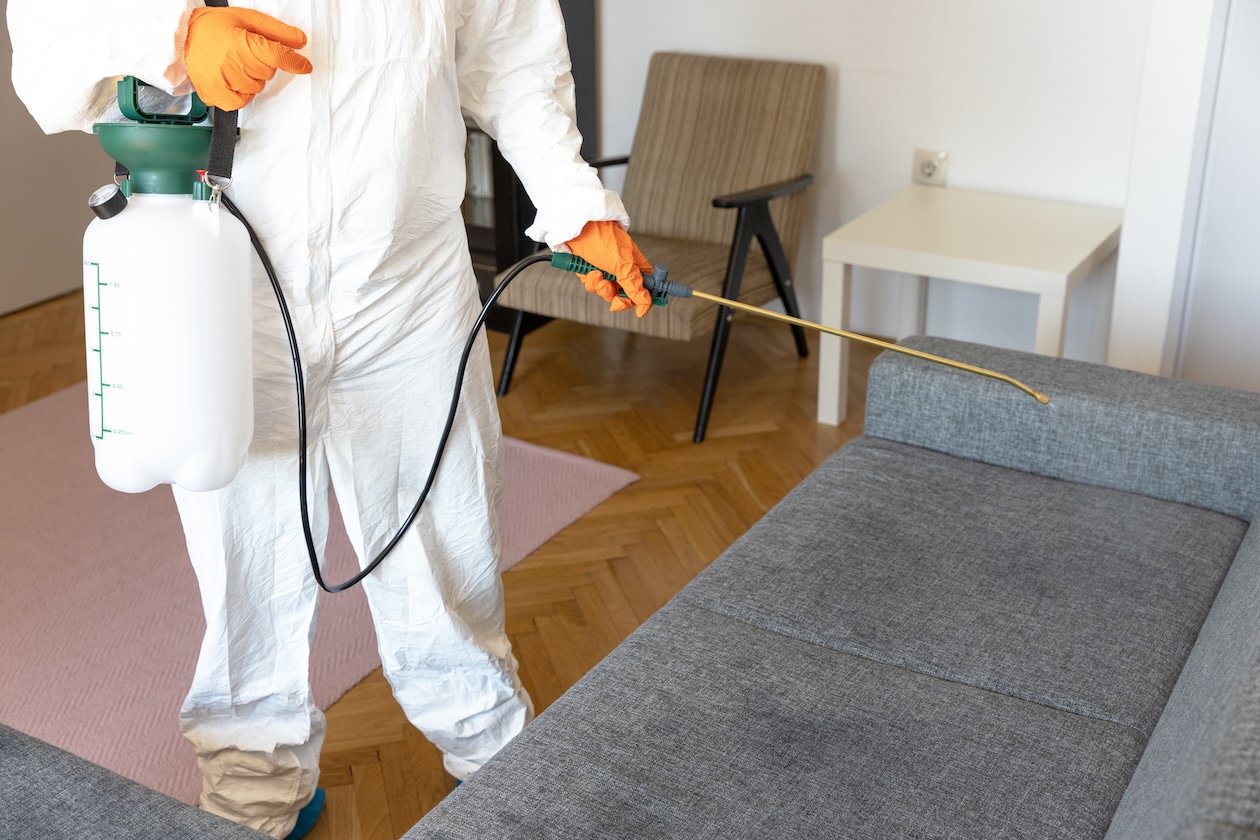
Here we break out the practical steps you can implement right away to speed up onboarding and maintain quality.
To keep your team motivated in the long term, it also helps to hire and retain the right technicians from the start. Learn proven retention strategies in Find & Retain Pest Control Technicians You & Your Customers Will Love.
Using these best practices provides a repeatable onboarding system rather than ad-hoc training each time a new tech starts.

Modern field-service software plays a pivotal role in accelerating onboarding. When you layer technology on top of training, you multiply impact. Here’s how:
Choosing the right pest control business software is the foundation for faster, smoother onboarding. Not all platforms are built for field efficiency or scalability, so it’s worth exploring How to Choose Pest Control Software That Fits Your Business Size and Needs to ensure your tech stack supports your growth.
By having a centralized system that stores all past work at a property, new technicians can quickly understand what’s been done before, what problems recurred, and how the customer responded. That context speeds decision-making and builds confidence.
A software platform can hold job-specific instructions, equipment procedures, and chemical protocols. New hires can refer to these directly in the field, reducing the number of times they have to call for clarification.
Software allows you to standardize checklists in app form: pre-service safety check, inspection questions, treatment steps, and post-service customer education. The new technician follows the same process every time, reinforcing consistency.
When the job is completed, the tech can attach photos, notes, and signatures via the mobile app. For onboarding, this means you can review what they documented, provide feedback, and ensure they are following company standards, rather than only finding mistakes after the fact.
You can monitor how quickly a new tech is moving through jobs, how many revisions their documentation required, and how many customer callbacks occurred. These data points let you intervene early if the onboarding isn’t progressing as expected.
Tutorial videos, equipment manuals, and safety procedures can all be built into the mobile app. A new hire doesn’t have to wait for the next classroom session; they can access knowledge on the fly.
Office staff can see what the technician is doing, what issues have arisen, and provide notes or feedback, and ensure that the new hire is aligned with customer expectations and company standards.
Let’s look at how Fieldster helps pest control companies implement an efficient onboarding workflow for new technicians.
By combining structured training (ride-alongs, checklists, mentoring) with Fieldster’s software capabilities, pest control businesses create an onboarding program that’s faster, repeatable, and aligned with service quality goals.
Here’s a sample plan you can adapt for your company. This aligns with the best practices and software tools above.
With this plan, you create clarity for the new hire, accountability for the training process, and data-driven review points for management.
Training new pest control technicians swiftly and well is both a strategic imperative and a competitive advantage. When you combine structured onboarding (ride-alongs, checklists, documentation, mentoring) with the right technology (job history access, mobile instructions, digital checklists), you accelerate readiness, preserve service quality, and build a stronger team.
If you are looking to run more efficient, scalable field teams and reduce the friction of onboarding new technicians, consider the impact tailored software can have. With Fieldster, you get built-in support for new technician workflows: job contexts, digital checklists, photo documentation, and mobile access, all aligned with your training program.
Let’s equip your team for success, fast, consistent, and high-quality. Visit Fieldster to see how our pest control business software streamlines technician onboarding and field operations.
It depends on your business complexity, but a common guideline is 3–5 days (or ~10 jobs) of ridden jobs where they observe, followed by supervised jobs. Then, independent work begins with detailed checklists, real-time feedback, and digital job documentation for accuracy.
You don’t have to lengthen training, just structure it. Use mobile checklists, job histories, and photo documentation to accelerate learning. And create mentor support rather than relying solely on senior techs for informal training. Software helps offset time constraints.
Track metrics: number of jobs completed, average time per job, documentation error rate, customer satisfaction, travel time, and service re-visits. Early errors in these areas suggest more training is needed.
When new techs feel supported, they have clear checklists, access to information, structured feedback, and they feel competent sooner. That builds confidence and job satisfaction and reduces early turnover. A training process backed by software also signals that your company invests in tools and their success.
An effective training program blends classroom learning, field experience, and digital tools. The best programs teach both the “why” and the “how” behind treatments. For instance, explaining pest behavior and habitat patterns helps technicians apply the correct methods in the field rather than blindly following steps.
Modern pest management companies use mobile software to track progress and reinforce procedures through digital checklists, videos, and job notes. That way, new hires learn best practices in safety, compliance, and customer service while building confidence more quickly.
For field service companies, consistency is everything. The challenge is making sure every technician, whether in pest control, HVAC, or lawn care, follows the same quality standards. The solution is standardized workflows.
With a platform like Fieldster, managers can assign step-by-step service checklists, upload reference images, and require photo documentation for each job. This eliminates confusion and keeps everyone on the same page, regardless of location or experience level.
By using one unified system, field service teams ensure that every technician represents the company professionally and meets regulatory and safety requirements.
The average onboarding process for pest control technicians takes 30 to 90 days, depending on the complexity of your service. Basic pest management routes may only require a few weeks of structured training, while termite or wildlife specialists need more time.
The key is to maintain momentum. Short, focused training sessions are more effective than long lectures. Combine in-person instruction with digital resources so techs can revisit lessons later in the Fieldster app. Continuous reinforcement is what turns initial training into a lasting skill.
For companies that blend technical work and sales, technician training must also include soft skills. A technician who can confidently explain service benefits builds customer trust and retention.
Consider offering add-on modules for customer communication, cross-selling, and quoting. Many Fieldster users customize their digital forms and notes to support technicians who double as field technical sales specialists.

Features
Pricing
ABout
Site
Features
Pricing
ABout
Site